

Fraud experts bolster their defenses by gaining a clear picture of identity; protecting customers and their businesses

Key Takeaways:
- Fraud prevention is a team sport
- Identity is central to fighting fraud
- Predictive analytics, AI, identity graphs and more data drive smarter fraud detection
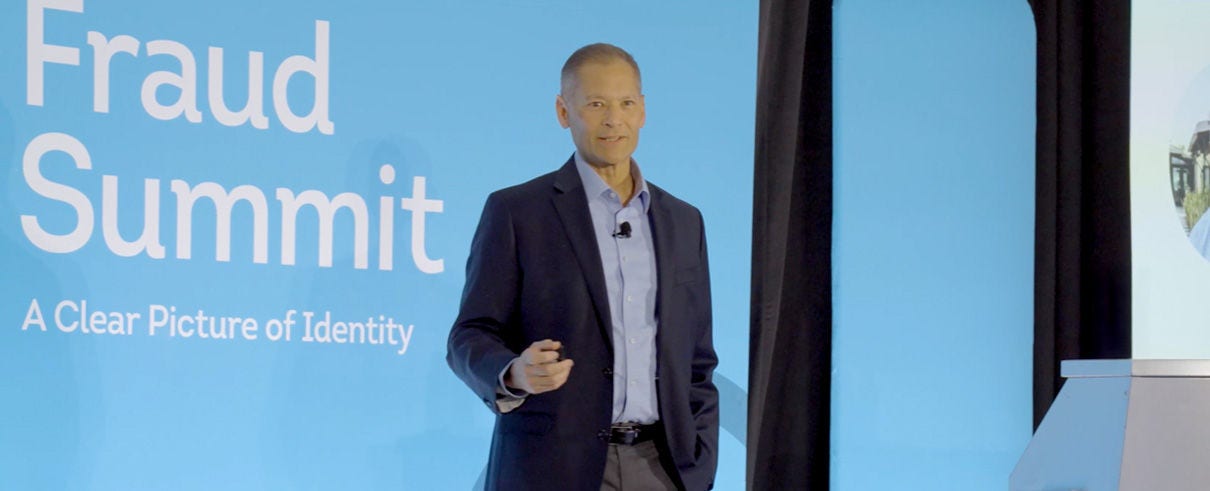
The 2025 TransUnion Fraud Summit recently wrapped up. Senior leaders from banking, lending, telecommunications, insurance, gaming and ecommerce gathered to strategize the future of fraud detection and prevention. Along with TransUnion experts, PJ Rohall from About Fraud, Kenneth Westbrook from Stop Scams Alliance and Kenneth Dort from Faegre Drinker Biddle & Reath led discussions about critical issues facing fraud leaders. Coming out of the event, we wanted to share key takeaways to help you move your fraud prevention strategies forward.
10 takeaways for improving fraud prevention
Takeaway |
Why it Matters |
|---|---|
1. Identity is foundational to risk decisioning |
Identity intelligence is central to enabling secure, trusted digital interactions across the customer lifecycle — supporting better decisions to reach, engage, service and protect consumers. |
2. Fraud exploits gaps in identity data |
Fraudsters build synthetic and stolen identities by exploiting disconnected or incomplete identity signals — making connected data essential. |
3. Fraud losses are escalating |
Of US fraud leaders, 39% reported annual fraud losses exceeding 10% of company revenue, underscoring the need for executive-level prioritization. |
4. Account creation and takeover are key points of vulnerability |
Fraud is increasingly concentrated during customer onboarding and in account takeover scenarios, requiring stronger identity verification and behavioral analytics. |
5. Credit washing is a hidden threat |
This form of first-party fraud undermines credit report accuracy and can lead to millions in hidden losses for lenders. |
6. Global identity graphs enhance detection |
Digital fraud is increasingly coordinated by transnational organizations. To effectively combat them, global identity graphs are needed to connect identity elements and risk signals to improve fraud detection precision and speed. |
7. Empathy and collaboration strengthen ecosystems |
PJ Rohall, Co-Founder of About Fraud, emphasized the importance of human-centered approaches and intelligence-sharing communities to build more resilient fraud defenses. |
8. Cross-functional engagement is critical |
Breaking down silos between fraud, risk, identity and compliance teams leads to better strategic alignment and operational effectiveness. |
9. Technology and AI are central to fighting fraud |
Advanced analytics, machine learning and real-time decisioning are key tools in combating new and evolving fraud attacks. |
10. Call to action for industry-wide collaboration |
Fraud and risk leaders reinforced the need for shared intelligence, cross-industry standards and proactive strategies to stay ahead of fraud threats. |
Stop more fraud. See risk better. Get a clear picture of identity
If there’s one thing we learned during the Fraud Summit, identity is the future of digital fraud prevention. Learn how you can put these takeaways into action with a clear picture of identity.


