Infographic

Rebuilding Policyholder Trust in Calls
Rebuilding Policyholder Trust in Every Call
Insurance conversations often happen at high-stress moments. Whether it’s a claim, health event or an urgent policy issue — customers want fast, clear support from a real person. But rising call spoofing and impersonation scams have changed how those calls are received. When customers don’t trust the number, they often ignore the call entirely.
Learn how phone-based fraud is disrupting insurance engagement and what providers can do to restore trust and improve connection rates.
View the infographic to learn:
- The growing scale of insurance-related scams, now a leading complaint category by consumers
- How fraud concerns are causing consumers to ignore legitimate insurance calls
- Where phone communication remains critical (e.g., claims, health issues and urgent needs)
- The business impact of missed connections, including brand damage, delayed claim resolution and lost revenue
- Which branded calling features insurers consider most important to improve trust and engagement
Why phone-based fraud matters
Insurance interactions depend on timely communication. When customers avoid calls due to fraud concerns, consequences go beyond missed connections. Claims processing slows, service costs increase and customer satisfaction declines.
The data highlights the scale of the issue. Most consumers reported receiving scam calls and many ignored legitimate outreach because they believed it to be fraudulent. At the same time, insurers reported measurable financial impact, including revenue loss tied to call blocking and mislabeling.
Despite these challenges, the phone remains essential. Customers still prefer it for complex, personal or urgent interactions where clarity and reassurance matter most.
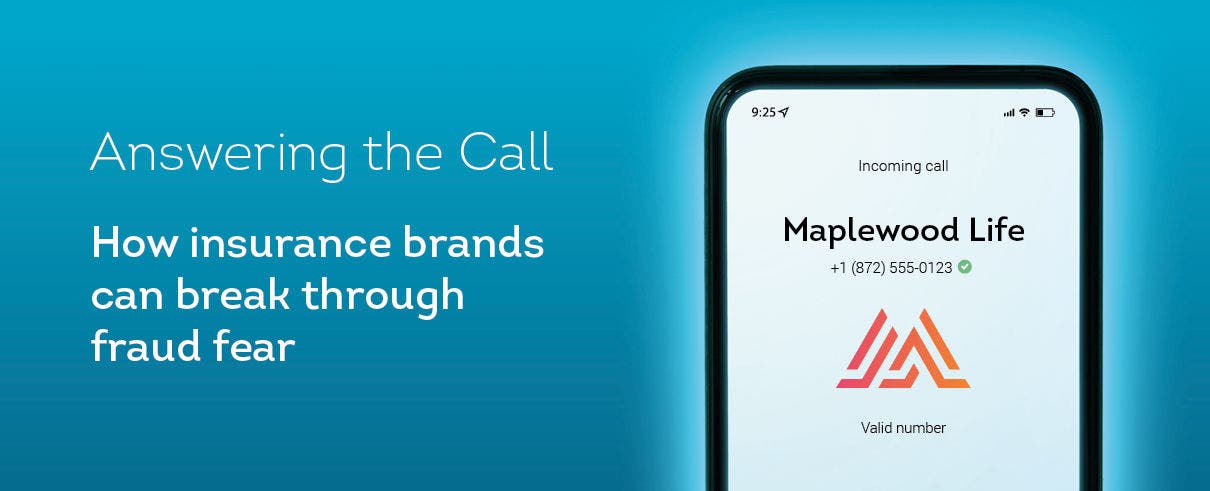
This creates a clear opportunity. By providing name, logo and reason for the call on the mobile display, and authenticating the call, insurers can reduce uncertainty, enhance engagement, and improve operational efficiency and customer experiences. A more transparent calling scenario helps rebuild trust when it matters most.
Download the insurance phone-based fraud infographic to explore the current trends and practical insights shaping customer engagement.
Related Insights
Video: How to Optimize Your Outbound Communications
Video: Understanding Branded Call Display
Infographic: Spoofed Call Protection
Related Solutions
Related Industries
Do you have questions? Our team is ready to help.

Information for Good®.
Connect with us


