Infographic

Ensure Patient Calls Get Through
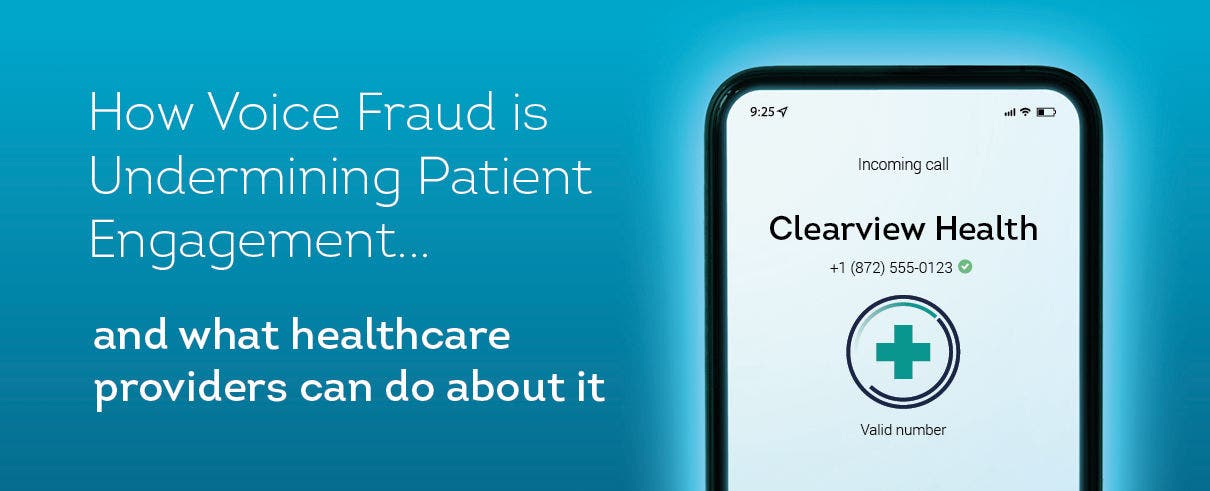
Patients depend on phone communication for critical healthcare interactions. But rising call spoofing, impersonation scams and fraud have changed how those calls are received. When patients don’t trust who’s calling, they don’t pick up — potentially delaying care, disrupting outreach and weakening engagement.
Learn how phone-based fraud affects patient behavior and what healthcare organizations can do to rebuild trust.
View the infographic to learn:
- The scale of healthcare-related phone fraud, including widespread open enrollment scams
- Why patients are becoming less likely to answer unknown calls, even for important healthcare needs
- Where phone communication still matters most — from test results to emergencies and appointment reminders
- What patients want to see before answering, such as clear context about who’s calling
- Which branded calling features providers consider most important to improve engagement and protect their brands
Why phone-based fraud matters
Healthcare organizations rely on timely, trusted communication to coordinate care. When patients ignore calls due to fraud concerns, the impact can extend beyond missed appointments. It can affect outcomes, increase administrative burden and reduce the effectiveness of outreach programs.
The data shows a clear shift. Most patients want to know who’s calling before they answer, and providers recognize adding context like name, logo and reason for the call — along with an indication the call was authenticated — improves both trust and engagement.
At the same time, fraud continues to create significant financial and operational risk across the healthcare system, including large-scale losses tied to phone-based scams.
Download the healthcare phone-based fraud infographic to explore current trends and practical insights shaping patient engagement today.
Related Insights
Video: Understanding Branded Call Display
Webinar: How to Increase Patient Answer Rates
Infographic: Spoofed Call Protection
Related Solutions
Related Industries
Do you have questions? Our team is ready to help.

Information for Good®.
Connect with us


