Estimating your car payments with an auto loan calculator

Summary:
- Use an online auto loan calculator to quickly give you an idea of what you may be able to afford before formally applying for a loan.
- You can input details such as vehicle price, interest rate, loan term, down payment, trade-in value, and fees to calculate estimated monthly payments and total loan costs.
- You can see how each monthly payment is split between principal and interest, and track how your loan balance decreases month by month through amortization.
- You can adjust inputs like loan term, interest rate, and down payment to compare different financing scenarios.
- Use the calculator to see the bigger picture to review the total cost of your loan, including all interest paid to get a clearer understanding of what the loan will truly cost from start to finish.

Disclosure:
This post only contains educational information. No financial, tax or legal advice.
This information is for educational purposes only and we do not guarantee the accuracy or completeness of this information. This information does not constitute financial, tax or legal advice and you should consult your own professional adviser regarding your situation. This website may contain links to third party websites. We are not responsible for their content or data collection. Trademarks used in this material are property of their respective owners and no affiliation or endorsement is implied.
Shopping for your next car can be exciting—but figuring out how much you can afford can feel overwhelming. Between choosing the right vehicle, negotiating with dealers, and understanding loan terms, it’s easy to feel unsure about the financial side of things.
That’s where our auto loan calculator can help. It’s an easy-to-use tool to take control of your budget, compare financing options, and feel more confident as you move forward in your car-buying journey.
Whether you're buying new or used, the auto loan calculator above gives you a quick way to estimate your monthly car payments. Just enter a few details—like the vehicle price, interest rate, loan term, down payment, and trade-in value—and you’ll get a clearer picture of what your monthly payment and total loan cost might look like.
How do auto loans work?
Brief overview
When you decide to get a car - but don't have money to cover the full purchase price upfront - an auto loan gives you the flexibility to borrow money you need and pay it back over time. That way, you can start driving now and make monthly payments that fit your budget.
When you take out an auto loan, you agree to pay back the loan amount—plus interest—through monthly payments over a set period, called the loan term. Most auto loans range from 36 to 72 months. It’s a secured loan because the car itself is the collateral, meaning if you can't make the payments, the lender can take the car back.
Your monthly payment is made up of two parts: the principal, which is the amount you borrowed, and the interest, which is the cost of borrowing that money. A down payment - money you pay upfront - can reduce the total amount you need to borrow and lower your monthly payments.
Key parts of an auto loan
Understanding these auto loan terms can help you compare offers and estimate total loan costs.
| Term | What is it | Why it matters |
|---|---|---|
| Loan amount | Total money borrowed to purchase the vehicle | Determines how much you’ll repay over time |
| Interest rate | Percentage charged to borrowing money | Affects total loan cost and monthly payment |
| Loan term | Length of time to repay the loan | Impacts monthly payment size and total interest paid |
| Down payment | Money paid upfront at purchase | Reduces loan amount and may improve loan terms |
| Monthly payment | Amount paid each month toward the loan | Helps you budget and understand ongoing financial commitment |
Getting started
First, figure out how much money you’ll need to borrow, which can include the car's price, taxes, fees, and any extras you want to finance. In terms of financing options, you can shop around for the best loan terms and consider lenders like banks, credit unions, online lenders, or even the dealership.
Once you choose a lender, you’ll apply for the loan. You’ll usually need to share information like your income, job history, and credit score. Your credit score plays a big role in your loan. It not only impacts your ability to get approved for a loan but also what interest rate you’ll get. Generally, the better your credit, the lower interest rate you could qualify for, thus saving you money in the long run.
Post-loan considerations
Some auto loans allow for prepayments without penalties, which can help you save on interest over time. Additionally, refinancing your auto loan may be an option if you find better terms later on.
How to use the auto loan payment calculator
Using an auto loan calculator can help you estimate your monthly car payment before you commit to a loan. It helps you understand how different loan terms, interest rates, and down payments affect your budget. Be sure to double check your inputs to ensure they match the anticipated terms and rates of your loan. Even small errors can significantly affect the payment calculator’s output.
Steps to calculate your payment
Here’s how to get your estimate with the calculator at the top of the page:
- Price of vehicle: Input the total amount you plan to borrow, including any extra features or packages you might want. For example, if you are looking to take out a loan for $30,000, enter “30000”. This is the amount before any down payment or trade-in value is applied.
- Interest rate: Enter the annual interest rate for the auto loan into the box. For example, if the lender is going to charge you 5.5%, then enter “5.5” in the field.
- Loan term: Choose how long you’d like to take to pay off the loan. For example, if you plan to repay the loan over 3 years, enter "3" and select “years,” or input “36” and select “months.”
- Start date: Click the calendar icon to input the month and year when the loan begins.
- Down payment: Enter the amount you plan to pay up front, if any. This reduces the total amount borrowed and can lower your monthly payment.
- Trade-in: If you're trading in a vehicle, enter its estimated value here. This amount, along with your down payment, will be subtracted from the vehicle price to determine your loan amount and monthly payments.
- Amount owed on trade-in: If you still owe money on your trade-in vehicle, enter that amount here. This amount will be added to your loan total, which can increase your monthly payments.
- Calculate: After you’ve entered in your data, then hit the calculate button.
The auto loan calculator will display your estimated monthly payment and break it down into interest and principal.
Advanced Info
If you want to refine the estimate further, then you have the option to add more information.
The “Advanced Info” drop down, located just above the “Calculate” button, enables you to enter in more details.
- Sales tax rate: Enter in the percentage.
- Title costs and other fees: Enter in the dollar amount here.
- Ability to include or omit tax and fees in the loan amount: Select yes or no.
As you enter or adjust any of the values above, the estimated monthly payment will automatically be updated to reflect your changes.
Calculator output
The auto loan calculator will display your estimated monthly car payment in the pie chart to the right. In the tabs above the pie chart, you can explore more loan details. For instance, you can review balances over time or examine the split of estimated breakdown principal and interest paid each month in the amortization schedule. You can also review total interest paid, projected payoff date, and total loan cost information.
Making adjustments
You’re able to change any of these inputs on the fly to see how they impact your estimated monthly payments and total loan costs. For instance, by changing the loan term or adjusting the down payment, you see how these changes affect your payments and overall loan cost. By playing around with the inputs, you can compare different loan options to see what works best for you.
Remember:
While the auto loan calculator provides estimates, your actual terms may vary. Your credit score, income, and the lender's specific policies can influence the final terms of your auto loan. Use the calculator results as a guide to help inform your decisions and negotiations but be prepared for some variation when you apply for an actual loan.
Benefits of using an auto loan calculator
Using an auto loan calculator before you start shopping for a car is a smart way to prepare and reduce stress during the buying process. It gives you a clear picture of what you can afford, helps you plan your budget, and prepares you to make informed decisions—whether you're buying new, used, or refinancing.
Here’s how it helps:
- Get quick estimates: Get fast results to explore multiple loan scenarios to see how changes in price, interest rate, or loan term affect your monthly payment.
- Fine-tune your budget: Determine what you can realistically afford before you start shopping, so you can focus on vehicles that stay within your means.
- Compare loan options: See how changes to loan amount, interest rate, term length, or down payment impact your total loan cost—you might be surprised by what small changes can do.
- Avoid surprises: Get a clearer breakdown of estimated payments, interest, and additional costs like taxes and fees before you sign any loan agreements.
- Save time: See how adjustments to loan amount, interest rate, term length, or down payment impact your total loan cost—you might be surprised by what small changes can do.
- Reduce stress: Having crunched the numbers with the calculator, you can feel more confident with what you can afford. That clarity can help to take the pressure off and lessen anxiety that can come with making a major financial decision.
Ways to save on your auto loan
Whether you're buying your first vehicle or looking to upgrade your current ride, understanding as much as you can about auto loans could save you money in the long run. Here are some tips that might help you secure more favorable loan terms:
Pay attention to total loan cost
When setting your spending limits, avoid focusing solely on the monthly payment—this can lead someone to paying much more in the long run. Rather, consider the total cost you want to spend over the lifetime of the loan. A low monthly payment might seem appealing, but it could mean a longer loan term with more interest paid over the course of the loan. And while an auto dealership might try to upsell you on features or more expensive models, keeping the big picture in mind may help you stick to your budget and ultimately make a smarter, more financially-sound decision.
It’s easy to determine how much you're willing to spend on an auto loan. Simply plug in your numbers in the auto loan payment calculator above to see how much you can afford and if there is space for it within your personal budget.

Note:
To figure out the total cost of owning a vehicle, make sure to factor in estimates for additional expenses like auto insurance and maintenance, which are not included in the loan payment calculator above.
Compare loan offers from different lenders
It can pay to shop around. Get quotes from multiple lenders like banks, credit unions, online lenders, and car dealerships to get a better scope of offers and take the best one. Terms and rates vary by lender, so don’t just accept the first offer that you get.
Make a larger down payment
The more you pay upfront, the less you’ll need to borrow. A larger down payment can lower your monthly payment, reduce your interest costs, and improve your chances of qualifying for better loan terms.
Negotiate loan terms
Don't be afraid to negotiate with lenders. Use competing quotes as leverage to secure better terms.
Work on your financial health before you apply
Your credit plays a big role in determining the loan terms lenders will feel comfortable offering you—including which interest rates for which you qualify. Before applying, take some credit-related steps to ensure you're in the best position to get approved and secure favorable loan terms.
First of all, check your credit score to know where you stand. If your credit score isn't ideal, take the necessary steps to establish better credit habits before applying for a loan. You don’t need a high credit score to get a loan, but the lower your credit score, the less favorable loan terms can become.
Increasing your credit score substantially won’t happen overnight. Consistent good credit habits over time may help you achieve a healthier credit history.
Secondly, apart from getting the auto loan itself—which could lower your score—consider a few practical steps to potentially avoid a temporary credit score drop:
- Stay current on all payments, since payment history is an important score factor
- Keep your balances low, ideally maintaining your credit utilization under 30%
- Don’t close your oldest accounts, as length of credit history is an important score factor
Next, when rate shopping, keep in mind that each credit application typically results in a hard inquiry, which can slightly lower your credit score by signaling potential new debt. However, by submitting multiple applications within a short time frame—known as “bunching”—you can minimize the number of inquiries counted. The exact window depends on the credit scoring model used
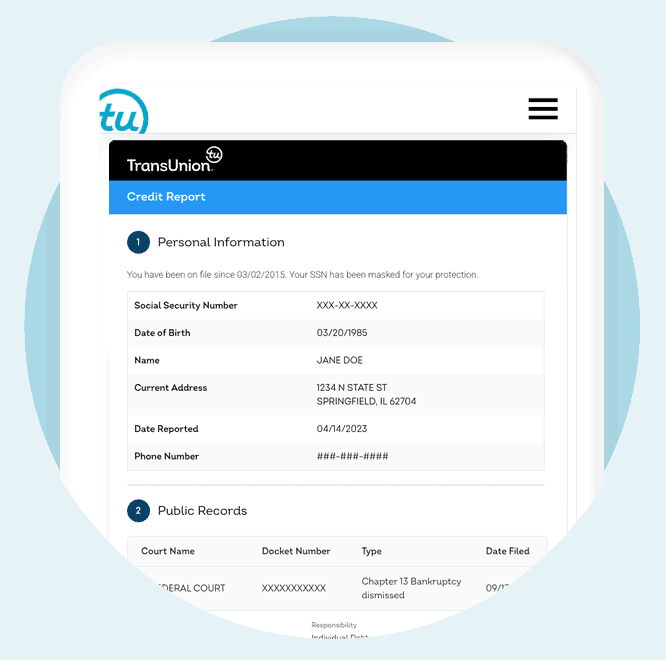
Finally, get a copy of your credit report from all 3 credit bureaus: TransUnion, Equifax and Experian. You can go to AnnualCreditReport.com to get them for free each week. Once you obtain your report, look it over carefully to make sure the information is correct. You can dispute accounts that are inaccurate or result from fraudulent activity.
For more details and tips on how to read your credit report and understand the impact the information in it can have on your credit health, check out this guide from TransUnion.
Auto loan calculator FAQs
A fixed-rate auto loan means your interest rate stays the same for the entire term of your loan—your monthly payments are predictable. It’s great if you like consistency and want to know exactly what you’ll pay each month. Conversely, a variable-rate auto loan comes with an interest rate that can change over time and fluctuates based on market conditions. This means your monthly payments can go up or down. Fixed-rate loans offer stability with consistent payments, while variable-rate loans might start with lower rates but come with higher payment risk.
Note: This calculator only works for fixed-rate loans and should not be used for variable-rate loans.
Understanding how to estimate your car loan payment terms before applying may boost your chance to get financed. You’ll better understand what you can and can’t afford, especially when it comes to managing your payment-to-income (PTI) ratio.
By dividing your total gross monthly income by your estimated car payment, you can calculate your PTI. For example, if you take home $2,000/month in income and have a $500 monthly car payment, your PTI is 25%. Generally, a lower PTI demonstrates borrowers can handle additional debt. According to GM Financial, a PTI under 20% is considered good. .
Use the calculator to play around with different loan amounts and terms to see how they affect your monthly payments and PTI. Don’t forget to compare different interest rates, as a lower rate may reduce your payments and improve your PTI.