


Key Takeaways:
- Unrecognized charges can be the first sign of credit card fraud.
- Stolen credit card information may be used for online purchases that are easy to resell.
- Quick action and continued monitoring of your credit accounts and credit report can help you spot and respond to fraud promptly.

Disclosure:
This post only contains educational information. No financial, tax or legal advice.
This information is for educational purposes only and we do not guarantee the accuracy or completeness of this information. This information does not constitute financial, tax or legal advice and you should consult your own professional adviser regarding your situation. This website may contain links to third party websites. We are not responsible for their content or data collection. Trademarks used in this material are property of their respective owners and no affiliation or endorsement is implied.
Seeing unauthorized charges on your bank statement or app can cause quite a scare. If this has happened to you, you’re not alone. Credit card fraud is an unfortunately common digital fraud scheme.
What is credit card fraud?
Credit card fraud is when someone uses your credit card information for unauthorized uses, which can include making purchases or withdrawing funds without your permission.
How perpetrators obtain credit card information
Here are common ways fraudsters can obtain your credit card information:
- Data breaches : Hackers may be able to get your information from a data breach at a company you do business with.
- Phishing scams : Fraudsters may send unsolicited emails or texts and trick you into giving away personal information or install malicious software that could steal information stored on your computer.
- Card skimming : The use of physical devices attached to credit card readers that can steal your credit card information.
- Account takeover attacks : When someone uses your information to gain access and take control of your online accounts.
Important Note:
According to the Q2 2026 TransUnion Consumer Pulse Study, among consumers targeted with online, email, phone call or text message fraud, 16% reported being targeted by stolen credit card or fraudulent charge schemes.
Types of credit card fraud
Credit card fraud can happen in multiple ways. If someone steals or finds your card, they may use the physical card to make purchases. However, there are other ways criminals may use your credit card account information:
Card-not-present fraud: Someone may use stolen credit card numbers for transactions online or over the phone.
Account takeover: If a person has enough of your information, they may use it to access and control your account, which can include making fraudulent purchases and changing account information. Account takeover schemes are not limited to credit card accounts, but can also happen criminals gain access to your bank account, payment platform and other online accounts.
How to report credit card fraud
It’s important to respond quickly if you become a victim of fraud. When you notice purchases you didn’t make with your credit card, here are steps to take:
1. Contact your credit card issuer immediately
- Use the number on the back of your card
- Your card issuer or bank may also have a website or app you can use to report the fraud online
- Your bank may freeze or lock the account
2. Confirm the fraudulent charges
- Your bank representative may have you confirm authentic and fraudulent purchases made
- If you fail to report a card missing, the most you will owe for charges you didn’t make is $50
- If only the card number was stolen and not your physical card, generally you are not liable for unauthorized charges
- However, many card issuers provide zero-liability protection for all unauthorized charges, whether someone stole your physical card or it was card-not-present fraud
3. Replace compromised cards
- Your card issuer will likely replace your credit cards and provide a new account number
- In some cases, you may receive a digital card so you can continue to use the account until a new physical card arrives
- Be sure to change your credit card number with merchants where your old credit card number may be used or stored
4. Monitor your credit report
- Credit card fraud may be limited to one account, but it could also be a sign of larger identity theft
- Your credit report won’t list individual credit card transactions, but you should still read your report to look for other signs of fraud
- Signs of fraud on your credit report can include accounts you don’t recognize or credit inquiries from companies you’ve never done business with
5. Dispute your credit report and place a freeze if necessary
- You should dispute the fraudulent charges with your card issuer first (they will have more information about specific transactions)
- A single case of credit card fraud may not mean your credit report reflects signs of other identity theft, but it’s worth checking your credit report to be sure
- If there is inaccurate information on your credit report, you can dispute it for free
- You can include documentation to support your dispute
- You can dispute fraudulent activity on your TransUnion credit report online
- Place a credit freeze and fraud alert on your credit report for an extra layer of security
- Both are free and can be easily added or removed online
6. Contact relevant authorities
- File a report with the Federal Trade Commission (FTC)
- The FTC has a dedicated page for you to report identity theft and receive an identity theft report
- You can also contact your local law enforcement agency to file a report
- Reporting to your local law enforcement can be especially helpful for them to identify patterns of fraud in your own community

Pro Tip:
While your bank investigates unauthorized transactions, you are typically not liable for payments for disputed charges but may still be required to make at least the minimum payment on your account. Ask your bank representative for more information.
What is this charge on my credit card?
You may first discover credit card fraud by noticing an unfamiliar transaction when reading through your account statement or checking your bank's app. Checking your transaction history through your bank’s online portal or dedicated app can help you spot potential fraud early.
Common signs of credit card fraud
One big purchase you don’t recognize will likely stand out, but here are other, less obvious signs your account may be compromised:
- Small "test" charges
- Multiple purchases in a short timeframe
- Charges from unfamiliar merchants
- Transactions you don’t recognize
Legitimate charges you may not recognize
Sometimes you may come across a transaction that seems suspicious but is legitimate. It can include:
- Parent company billing names (bank names for store cards instead of the store name)
- Subscription renewals (perhaps subscriptions you forgot you had)
- Purchases that delayed posting to your account (more common with online transactions)
- Purchases made by an authorized user
Examples of common fraudulent credit card purchases
So, what do fraudsters do with stolen credit card information? It’s valuable data, so many sell it to someone else. If they do use it for themselves, they may buy anything from physical, luxury items and electronics, to online goods like video game credits and business services.
Typically, fraudsters target products and services that can be quickly used or resold, such as online subscriptions, online marketplaces and gaming purchases. Electronic gift cards are another popular use of fraudulent gift card puchases. Here are some reasons why criminals prefer online gift cards:
- Electronic gift cards are easy to sell and can be difficult to trace
- They’re mostly anonymous, typically not requiring a name or other personal information to redeem and can be used like cash in stores and online
- Fraudsters may use the gift cards to buy goods or try to sell the card online at a slight discount
Credit card fraud protection tips
There are multiple ways you can help protect yourself against credit card fraud:
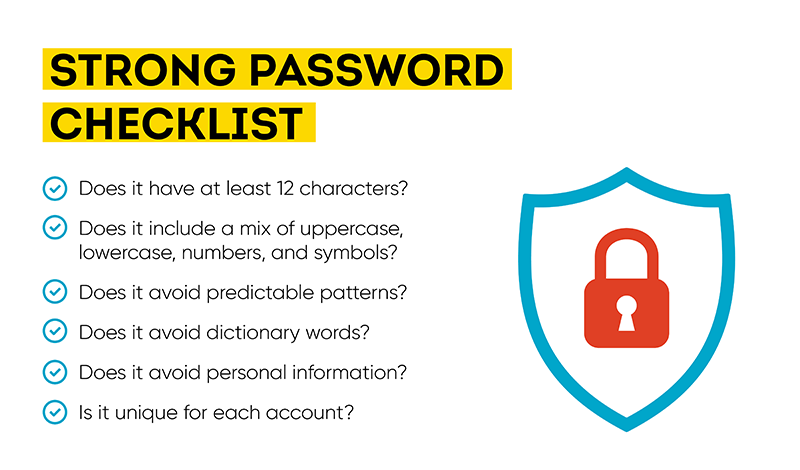
- Use strong passwords
- Enable multi-factor authentication
- Setup a passkey for your mobile device if available
- Set up real-time transaction alerts if your account is able
- Use virtual card numbers when available
- Monitor your statements and transaction history frequently
- Avoid public Wi-Fi for financial transactions
Remember, fraudsters don’t just limit their schemes to using your credit cards to make purchases. If they have your credit card information, they may also have additional identifying data. And that data could be used to open new credit accounts in your name. Be cautious when transacting online and consistently monitor your bank statements and credit reports so you can identity and respond to fraud quickly.
To learn more about how to protect yourself from popular online fraud schemes, check out our blog on spotting and avoiding phishing scams.