Key takeaways:
- Credit builder loans can be a useful tool to start or rebuild your credit history.
- Your payment history will be reported to one or more of the credit reporting agencies.
- Credit builder loans can have fees and a fixed interest rate.
- Instead of getting money immediately, your loan amount is deposited into a dedicated savings account.
- When the loan term ends in good standing, you receive the funds in the savings account.

Disclosure:
This post only contains educational information. No financial, tax or legal advice.
This information is for educational purposes only and we do not guarantee the accuracy or completeness of this information. This information does not constitute financial, tax or legal advice and you should consult your own professional adviser regarding your situation. This website may contain links to third party websites. We are not responsible for their content or data collection. Trademarks used in this material are property of their respective owners and no affiliation or endorsement is implied.
If you’re new to credit or looking to rebuild your credit history, you may be wondering about options available to you to get started. A credit builder loan may help you establish a credit history and show lenders you are able to effectively manage an account and make consistent payments on time.
What is a credit builder loan?
A credit builder loan is an installment loan used for the purpose of helping people establish a credit history or rebuild their credit.
With most other personal loans, you would receive money for a specific purchase or financial goal, like debt consolidation, home improvements and other large purchases.
With a credit builder loan, instead of receiving the loan proceeds upfront, you make scheduled payments while the funds are held in a locked account. The lender will report your payment activity to one or more credit reporting agencies, and you receive access to the funds according to the loan terms.
How does a credit builder loan work?
When you take out a credit builder loan, you don’t receive the money directly from the lender. Instead, the lender will put your loan amount into a savings account managed by the lender. You will make monthly payments, which are a mix of principal and interest, until the end of the loan term. When you’ve made all your payments, you will then receive the funds in the savings account plus any accrued interest in the account, if applicable.
Here's what the process generally looks like:
Apply for a credit builder loan. If approved, you'll agree to the loan amount, repayment term, interest rate and any applicable fees.
Make monthly payments. You make payments according to the terms of the loan instead of receiving the loan proceeds upfront.
Establish payment history. The lender reports your account activity to one or more credit reporting agencies.
Get access to your savings. When you've completed all your required payments, you receive the balance of the savings account.
Typically, any interest or fees charged by your lender are not added to your savings account. Essentially, the interest and fees, if there any, are part of the cost for building credit and your forced savings, and the interest and fees go directly to the lender. This can make it costlier than other ways to build credit, like a secured credit card or becoming an authorized user.
Where can I get a credit builder loan?
If you are already using a bank or credit union, you can ask if they offer credit builder loans to customers. But it’s always best to shop around for the best rates and terms for you. In addition to brick-and-mortar banks and credit unions, there are several online banks that offer credit builder loans. Compare interest rates, terms and any potential fees from multiple reputable institutions before applying to determine the best fit for your circumstances.
Terms for credit builder loans will vary by lender, but many last between six and 24 months. The loan amount will depend on the lender you choose, but you can expect to be able to fund between $500 and $3,000, depending on the length of your loan and other factors. Some lenders may offer loan terms and funding amounts outside of those parameters.
Tips for choosing a credit builder loan:
- Shop around for a loan that works best for you.
- Be mindful of interest rates and fees.
- Review the repayment terms.
- Make sure the monthly payment works within your budget.
- Ask the lender which credit reporting agencies it reports to.
- Set up automatic payments if possible to ensure timely payments
How does a credit builder loan help you build credit?
Lenders will report your loan activity to one or multiple credit reporting agencies, which can help you build a healthy credit history. You can ask your lender where they report your account information. You can also get a free copy of your credit reports from TransUnion, Equifax and Experian each week at annualcreditreport.com. Regularly review your credit reports to be sure they are an accurate reflection of your credit history. If your credit builder account is reported to TransUnion and remains in good standing, you may see it in the Satisfactory Accounts section of your credit report.
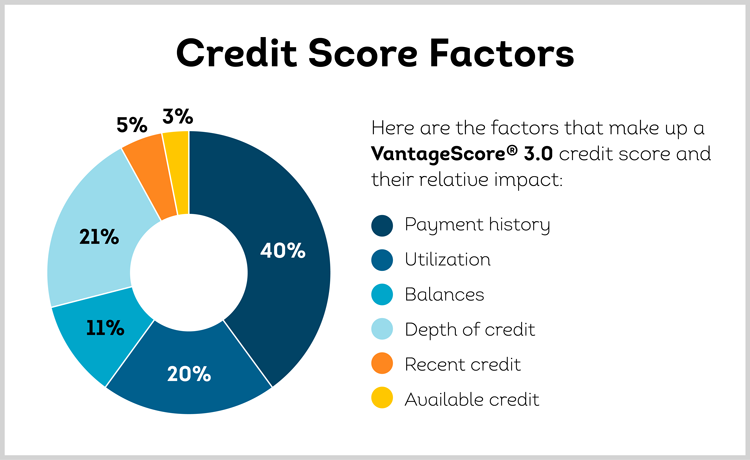
Making payments on time is key because your payment history is one of the most important credit score factors. If your credit builder loan account history shows consistent on-time payments, it can have a positive impact on your credit score.
But simply having a credit builder loan doesn’t guarantee a positive impact to your credit score.
If you miss payments or default on your credit builder loan, it could negatively impact your credit health. If you default, the lender may demand payment of the remainder of your loan amount and may take the funds you owe out of the savings account.
Also know that when you apply for your loan, lenders analyze your credit history. This may require a hard inquiry, which can impact your credit score. Hard inquiries, or recent credit, tend to be one of the least impactful credit score factors and their impact on your score tends to lessen over time.
Pros and cons of credit builder loans
Credit builder loans, like any financial product, can have benefits and drawbacks. Ultimately, whether a financial tool is right for you depends on your personal situation.
| Pros | Cons |
|---|---|
| Opportunity to build credit: Making consistent, on-time payments can help you establish a positive payment history. | Interest and fees: Like many other loans, you may be charged interest and loan fees. |
| Build savings at the same time: Your payments help you accumulate money that you'll gain access to after completing the loan. | You don't get the money upfront: A credit builder loan may not be appropriate if you need immediate access to funds for a certain purpose. |
| Predictable monthly payments: Credit builder loans are installment loans, so they generally have a set repayment term. | Missed payments can hurt your credit: Falling behind on payments may negatively affect your credit health. |
Alternatives to a credit builder loan
A credit builder loan isn't the only way to establish credit. If you're considering your options, there are other credit-building tools that may better fit your financial situation.
Secured credit cards
A secured card acts like a normal credit card, but it requires a deposit. The deposit helps determine the card’s credit limit. Some banks also offer standard credit cards specifically for bank customers to help them establish a credit history. The bank may have specific requirements, like a certain minimum balance across bank accounts to be eligible. Lenders that offer these types of cards may report the account information to credit reporting agencies.
Become an authorized user
Another way to get a jumpstart on building credit is by becoming an authorized user on a credit card account of someone you trust, like a family member.
The primary account holder will need to add you as an authorized user on the account and ultimately, they are responsible for all the activity on the account. The account information, both positive and negative, may appear on your credit report. If the primary account holder is not properly managing the account and is missing payments, that could reflect in your credit history as well. Note that not all credit card accounts may report account activity for authorized users, so you should contact your lender to check if they report to credit reporting agencies.
Building your credit is a worthwhile goal. Whatever option you choose to get started, whether a credit builder loan, secured credit card or another alternative, know that building credit doesn’t happen overnight. But if you're mindful of your finances.
FAQs
A credit builder loan is an installment loan intended to help you establish or rebuild credit history. Instead of receiving the loan money immediately like most traditional loans, the lender deposits the funds into a savings account. Once you've fulfilled the terms of the loan, you receive the balance of the savings account.
You make monthly payments according to your loan agreement, and your lender reports your account activity to one or more credit reporting agencies. Your loan amount is deposited into a savings account. You receive the balance of that account after completing your required payments.
While lender requirements for credit builder loans can vary, because the loans are designed for people who are new to credit or working to rebuild their credit history, even people who don’t have a good credit score may be approved.
Yes. If you miss payments or default on a credit builder loan, it could negatively impact your credit health. In addition, applying for the loan may also require a hard inquiry, which can impact your credit score, although hard inquiries are one of the less impactful credit score factors and their impact tends to lessen over time.
With most personal loans, you receive money upfront. A credit builder loan works differently. You generally don’t receive the money directly from the lender. Instead, your loan amount funds a savings account, and you receive the balance of the savings after completing your payments according to the loan terms.