


Summary:
- Signs of potential identity theft include unexplained or unauthorized transactions on your financial accounts, unfamiliar bills, notices for accounts you didn't open and inaccuracies on your credit report.
- If you suspect someone has stolen your identity, file a report with local law enforcement, contact the financial institution involved, place a fraud alert with credit bureaus, file a complaint with the FTC, freeze your accounts, and monitor your credit report among other steps you should take.
- You can take steps to prevent identity theft by using strong passwords, verifying payment requests, staying alert for phishing scams, and being extra cautious when giving out sensitive information.
- Getting identity theft protection can help safeguard your financial and credit information. If you do experience identity theft, then these services may come with identity restoration and insurance coverage to help you recover.

Disclosure:
This post only contains educational information. No financial, tax or legal advice.
This information is for educational purposes only and we do not guarantee the accuracy or completeness of this information. This information does not constitute financial, tax or legal advice and you should consult your own professional adviser regarding your situation. This website may contain links to third party websites. We are not responsible for their content or data collection. Trademarks used in this material are property of their respective owners and no affiliation or endorsement is implied.
With technological advancements, the threat of identity theft grows. According to the FTC, more than 1.1 million cases of identity theft were reported in 2024 – nearly 75% higher than reported in 2019. It involves unauthorized use of personal data for financial gain. Understanding how to check if someone is using your identity is crucial for safeguarding financial and credit information.
In this guide, learn the signs of identity theft, what to do if someone steals your identity and tips on how to protect yourself from identity theft.
Signs of identity theft
Knowing the signs of identity theft can help you avoid becoming a victim. According to USA.gov, signs that you may be experiencing identity theft include:
- Debt collection calls about lines of credit that you didn’t open
- Inaccuracies or additional information on your credit report about accounts you never opened
- Your loan applications are denied despite having a healthy credit history
- You receive bills for items you didn’t purchase, including medical bills
The Federal Trade Commission (FTC) states that signs that can help you check for identity theft also include:
- Postage stops being delivered or are missing for your bills
- Unfamiliar transactions on your bank accounts
Some other signs that the IRS says to look for:
False unemployment claims
This happens when someone uses your personal information—like your name and Social Security number (SSN)—to claim unemployment benefits in your name. You might not know it’s happening until you get mail or tax forms for benefits you didn’t apply for. This kind of fraud can delay real benefits if you need them. If it happens, report it to your state’s unemployment office and the FTC, and consider placing a fraud alert on your credit.
IRS reports more than one tax return filed in your name
This happens when someone uses your SSN to file a fake tax return and try to steal your refund. You might find out when the IRS says you already filed, even though you haven’t. It’s a sign that your personal information may have been stolen. If this happens, you should report it to the IRS right away and take steps to protect your identity,
What to do if you suspect identity theft
If you suspect that you're a victim of identity theft, it's crucial to take immediate action to mitigate potential damage and protect your personal information. If you think someone has stolen your identity, you should:
- Contact your financial institution
- File a complaint with the FTC
- File a police report
- Contact relevant government authorities
- Place a credit freeze on your credit reports
- Set up a fraud alert
- Monitor your credit report
Explore some potential actions to take if your identity is stolen in more depth below.
1. Contact the financial institution
First, alert your banks and other financial institutions about identity theft.They can help monitor any suspicious activities. If you know where the theft occurred, then contact the companies, like your credit card or utility company.
For example, if you think someone stole your credit card, cancel the card right away and request a new one from your bank.
2. File a complaint with the Federal Trade Commission
Report the identity theft to the FTC online at identitytheft.gov or by calling their toll-free number (1-877-ID-THEFT). Note that the FTC will not examine your case, but it would support investigation efforts by entering your report into their online database, Consumer Sentinel, which is used by law enforcement worldwide. The FTC also provides resources and a recovery plan if you suspect identity theft.
3. File a police report
Be sure to contact your local police department to report the incident. Give the police as much information as possible about the fraudulent activity. This could include bringing a copy of your credit report, copies of bills or collection notices, and bank or credit card statements.

Pro Tip:
You can get copies of your credit report from all 3 credit bureaus for free on a weekly basis at annualcreditreport.com. Alternatively, you can also get daily refreshes of your TransUnion® credit report and credit score for free.
Give the police your FTC identity theft report as well. Be sure to update them on any new evidence that may arise to add to your report. Finally, once the report is filed, you may want to request a copy of the report and get the case number.
4. Contact relevant government authorities
If you believe your passport, driver's license or SSN has been compromised, report it to the relevant government authorities, like the Department of Motor Vehicles (DMV) or the passport office. There are different methods of contacting the government depending on the situation:
- For your driver's license: Contact your local DMV and report it lost or stolen.
- For your SSN: You can file a report with the FTC online.
- For your passport: You can report it to your local Department of Social Services field office (DSS) or via email to [email protected]. You can also file a report with the FTC online.
5. Set up a credit freeze or fraud alert
Next, contact all 3 national credit bureaus, TransUnion, Equifax® or Experian®, and set up a credit freeze or fraud alert. It’s free to do and setting this up restricts access to your credit report, making it more difficult for identity thieves to open new accounts.
TransUnion also offers three types of fraud alerts for victims of identity theft:
- Initial Fraud Alert: A fraud alert on a credit report lasts for one year. This alert is ideal for victims who are unsure if they’ve been a victim of fraud.
- Extended Fraud Alert: This type of fraud alert has to be requested by mail and requires extra documentation to verify your identity. It lasts for seven years and is meant specifically for fraud victims.
- Active Duty Military Alert: This alert lasts one year for eligible military members.
You can place a freeze online through the TransUnion Service Center without impacting your credit score. You can also call these credit bureaus directly if you need assistance:
- TransUnion: 1-800-916-8800
- Equifax: 1-888-298-0045
- Experian: 1‑888-397-3742
Pro Tip:
For more resources about fraud and identity theft, head to the TransUnion Fraud Victim Resources page. You’ll find helpful information like data breach resources, fraud victim bill of rights, and a fraud victim checklist, which provides tips to report fraud and resolve issues with creditors.
6. Monitor your credit report
Regularly monitor your financial accounts and credit report for any suspicious activities. And be sure to file a dispute for any accounts and information that you don’t recognize immediately.
Some examples of inaccurate information on your credit report to look for that could be fraudulent include:
- New accounts that you didn’t open
- Unauthorized credit inquiries
- Collections or charge offs you don’t recognize
- Incorrect personal information such as wrong phone number or unfamiliar employer
- Unfamiliar addresses could mean some is using your identity to redirect mail or apply for credit
- Accounts incorrectly reported as delinquent or late
- Wrong date for last payment or account open date
- Wrong balances reported for certain accounts
- Accounts listed with the wrong credit limit
- Accounts that appear multiple times but with various creditors listed
You can access and refresh your VantageScore® 3.0 credit score and TransUnion credit report daily with free credit monitoring from TransUnion to stay on top of any activity.
With this free subscription, you’ll get alerts about critical changes to your TransUnion credit report, such as new accounts being opened in your name, a credit card balance increase, or negative information like a late payment reported by one of your creditors.

Remember to continue monitoring future bills for inaccurate information and report any discrepancies to the respective service providers.
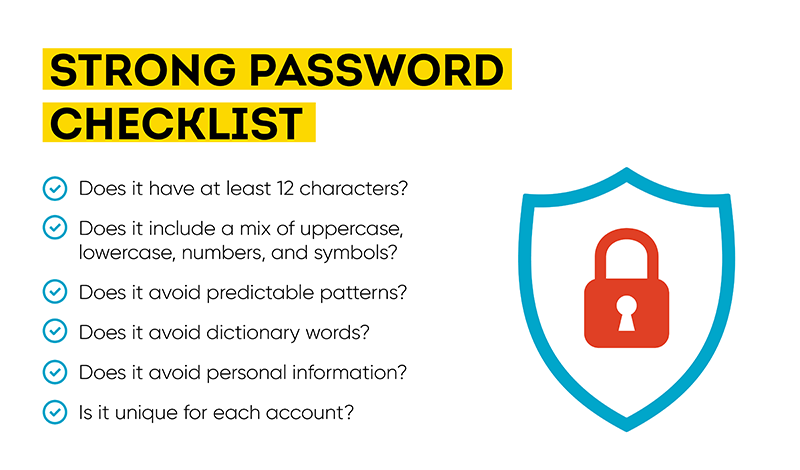
7. Update passwords
To safeguard your sensitive information online, update your passwords and PINs for all your accounts, using strong, unique combinations for each. Enable multi-factor authentication (MFA) whenever possible.
MFA is an extra layer of security on top of your login to ensure that people trying to gain access to an account are who they say they are. It usually generates time-sensitive passcodes that need to be entered to gain access to the main login portal.
See below for tips to strengthen your passwords:
8. Get ID theft protection
Choose a reputable identity theft protection provider that offers continuous monitoring, alerts for suspicious activities and assistance in case of identity theft incidents.
Signing up for TransUnion’s free credit monitoring is a simple first step to start protecting your identity. Among other things you get, you’ll receive alert notifications about critical changes to your TransUnion credit report. If you spot activity that appears suspicious, you can act fast.
How to prevent identity theft
From safe online practices to vigilant monitoring, some helpful steps can fortify your defenses and help you safeguard your information. Below are some ways to protect yourself from identity theft:
- Beware of phishing scams: Understand phishing scams and social engineering attacks, where fraudsters use emails, texts (smishing) or calls (vishing) to deceive individuals into disclosing personal information. To avoid falling victim, refrain from sharing sensitive details with unknown contacts through these channels.
- Verify the source: Spoofing scams, where an email address, caller ID, text message, or website URL is falsified, can make it difficult to be certain that you are dealing with a trusted source. Be sure to always independently verify that the source and request are legitimate before providing personal or payment information.
- Use extra caution when providing your SSN: Most organizations will not call you, email or text you to ask for it. Companies that typically need access include banks, employers and the IRS.
- Safeguard important documents: Documents that contain sensitive personal and financial information should be protected as much as possible. Shred documents if you throw them away or block out sensitive information with a marker. If important documents arrive at your mailing address, immediately retrieve them to avoid theft.
Frequently asked questions about identity theft
Below are some frequently asked questions that can help inform you more about identity theft and its signs:
There are many different types of identity theft to be aware of, including:
- Financial identity theft
- Criminal identity theft
- Medical identity theft
- Child identity theft
- Tax identity theft
- Unemployment identity theft
- Mail identity theft
- Social Security fraud
- Driver’s license fraud
Synthetic identity theft is another type of identity theft that involves perpetrators creating new identities using stolen and false information. Unlike traditional identity theft, where an individual's entire identity is stolen, fraudsters typically use a combination of legitimate and made-up information, such as a real SSN paired with fabricated names, addresses and birthdates.
This method allows them to build credit profiles that may go undetected for extended periods, as the synthetic identity does not correspond to any actual person.
To find out if someone is using your SSN, you can do things like review your financial statements and credit reports regularly for unauthorized activities or unfamiliar transactions.
For example, if you see information like an unknown name or address associated with your SSN on your credit report, it could be identity theft.
Other signs include:
- Receiving a notification of government benefits that you did not sign up for, such as unemployment insurance, assistance programs or a government loan
- Unexpected credit denials
- Unfamiliar accounts
- Notifications from financial institutions about an account you’ve never seen before
Consider a credit and identity monitoring solution that will automatically alert you to potentially suspicious activity involving your identity information, credit score or financial accounts.
To check if someone is using your identity for unemployment purposes, you can regularly review your unemployment benefits statements and verify the accuracy of the information provided. You can view these statements by contacting your state’s unemployment department.
If you believe unemployment fraud is occurring, contact your state's unemployment department immediately to report the issue and take appropriate action.


