


Key Takeaways:
- If you’re denied credit, the lender will send you an adverse action notice that provides reasons why you were denied.
- Denials can happen for many reasons, like a limited credit history, high balances on your accounts or multiple missed payments.
- You can use a denial as an opportunity to review your credit report and take action to improve your credit health.

Disclosure:
This post only contains educational information. No financial, tax or legal advice.
This information is for educational purposes only and we do not guarantee the accuracy or completeness of this information. This information does not constitute financial, tax or legal advice and you should consult your own professional adviser regarding your situation. This website may contain links to third party websites. We are not responsible for their content or data collection. Trademarks used in this material are property of their respective owners and no affiliation or endorsement is implied.
Having a credit application denied can feel like a real setback. But this is more common than people realize. In fact, credit denials can be a good opportunity to take proactive steps to improve your credit health long-term.
What happens when you apply for a loan
When you apply for a loan, the lender may start a credit inquiry to request your credit report and a credit score from one or more of the nationwide credit reporting agencies (TransUnion®, Equifax, Experian). The credit reporting agencies will provide the credit data and a credit score using a third-party credit scoring model.
You may receive a credit score from a third-party service provider, like a mortgage reseller. If you have questions about the credit score you received, you can contact the provider for assistance.
How will I know I’ve been denied credit?
If a lender denies your credit application, they will send you a letter called an adverse action notice. Don’t worry — it sounds more menacing than it really is. This letter will explain why the lender denied your application and give you information about the credit reporting agency they got your information from. It may also include your credit score if your score was a factor in the application denial.
With the adverse action notice, you are entitled to get a free credit report from the credit reporting agency that provided the lender with your information within 60 days. While the credit reporting agency provides your information, the lender ultimately makes the decision on whether to grant credit or not. If you need more information specifically about your denial, it’s usually best to contact the lender directly.
Why was I denied credit?
Reasons for a credit denial can vary by lender, the type of credit requested and your personal credit history. The adverse action letter will list the reasons why you were denied.
There are many reasons a credit application could be denied. Common causes include having a limited credit history, too many recent inquiries and a high balance on current credit accounts. But every situation is different. If you are still unsure about the denial reason after reading the adverse action letter, you can call the lender to find out more. The lender’s contact information will be on the adverse action letter.
Why do I keep getting denied for credit?
If your credit score doesn’t fall into a range a lender requires and your credit report has adverse information like missed payments or collections accounts, you may need time to get your credit health where you want it to be. Most negative information, like missed payments and collections, falls off your credit report after seven years. In the meantime, you can build healthy credit by consistently making payments on time, paying down credit card balances and limiting new credit applications.

Pro Tips:
Are your balances too high? Create a financial plan that includes paying them off as quickly as possible.
Did you miss a payment recently? Set up automatic payment options on your monthly bills so you’re always on top of it.
Is there an inaccuracy on your credit report? You can dispute inaccurate information for free.
Does getting denied for a credit card hurt?
When you apply for credit, you may receive a hard inquiry on your credit report. Hard inquiries contribute to the credit score factor known as new or recent credit. This is typically one of the least influential credit score factors, but you may still see a dip in your credit score after you apply. However, being denied credit in itself doesn’t further affect your credit score.
Whether it’s a credit card, auto loan or mortgage, there are lenders willing to work with people with all types of credit. Try to find a lender and product that works best for your situation.
What should I do if I am denied credit?
If you are denied credit, you don’t, technically, have to do anything. But you may want to take it as an opportunity to review your credit. It’s natural to feel upset about being rejected, but you can use the denial as a motivator to make strides to improve your credit health.
Your credit report will likely reveal the areas where you can improve. Compare the factors in your adverse action letter with the corresponding sections in your credit report. Your balances and payment history can be found in the account information section for each credit account. There is a special section for inquiries in your credit report. Hard inquiries may also be labeled as “Regular Inquiries” in your TransUnion credit report.
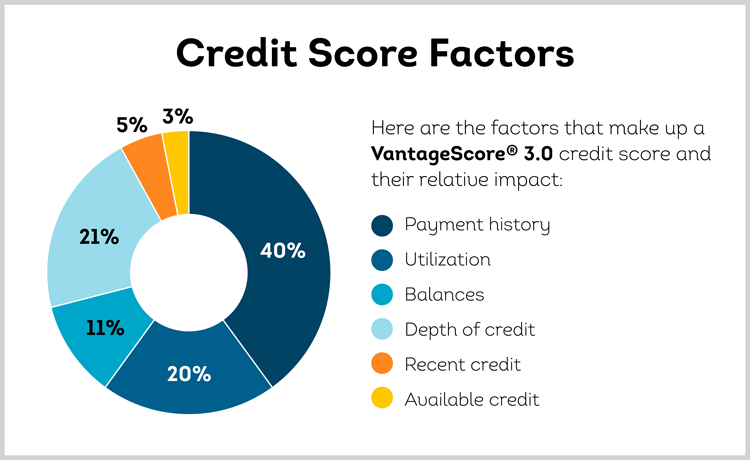
While the credit score factors are common between models, some models place more influence on certain factors. Timing may also play a role. Did you pay down a large debt recently? Was it reflected in your credit report when your report was pulled? Lenders typically provide updates to credit reporting agencies once a month. Perhaps there is an inaccuracy on a report from one of the credit reporting agencies that needs to be disputed. You can dispute any inaccuracies on your TransUnion credit report for free online.
If you’ve been denied credit, take that first important step by getting your TransUnion credit report and learn about your credit health by reviewing your report. You can get free weekly copies of your credit report at annualcreditreport.com
Don’t allow setbacks to keep you from acting. With some perseverance and a little bit of patience, you can achieve your financial goals.