


Key Takeaways:
- A hard inquiry will typically appear on your credit report after you apply for a loan like a mortgage, auto loan or credit card.
- Hard inquiries are a credit score factor and may have a negative impact on your credit score.
- Hard inquiries can remain on your credit report for up to two years.

Disclosure:
This post only contains educational information. No financial, tax or legal advice.
This information is for educational purposes only and we do not guarantee the accuracy or completeness of this information. This information does not constitute financial, tax or legal advice and you should consult your own professional adviser regarding your situation. This website may contain links to third party websites. We are not responsible for their content or data collection. Trademarks used in this material are property of their respective owners and no affiliation or endorsement is implied.
When you apply for a credit card, mortgage or other loan, you may come across the term “hard credit check.” But what does that mean, and does it matter for your credit health? A hard credit check is also known as a hard inquiry. Learn more about hard inquiries and how they can impact your credit:
What is a hard credit inquiry?
A hard inquiry is a type of credit inquiry. When a lender accesses your credit report they need a permissible purpose, which is essentially legal permission. After a lender or company accesses your credit report in connection with an application for credit, the inquiry will typically appear on your credit report as a hard inquiry.
Hard inquiries on your credit report
When you apply for credit, the lender may want to assess your creditworthiness. Your lender will want to determine how likely you are to pay back the loan. Here are some factors a lender may consider when reviewing your credit report:
- What is your payment history like?
- How much debt do you currently have?
- Have you tried to take on new debt recently?
Hard inquiries can sometimes be referred to as hard credit checks or you may even see them under a section called “Regular Inquiries” on your TransUnion credit report. Here are some loans that may result in a hard inquiry appearing on your credit report:
- Mortgages
- Auto loans
- Credit cards
- Personal loans
- Private student loans
How long does a hard inquiry stay on your credit report?
Hard inquiries can remain on your credit report for up to two years. If you see a hard inquiry you think is inaccurate, a good first step is to contact the lender directly. The contact information for the lender will be listed on your credit report.
Sometimes the name of the lender on your credit report may be different than expected. This can happen with a store credit card, for instance. It may be a partner bank that requested your credit report, not the store where you applied for the card.
If you believe information on your TransUnion credit report is inaccurate, you can dispute those items. However, you can’t remove legitimate hard inquiries from your credit report. So, any inquiry that is a result of an application you made for credit can’t be disputed.

How much does a hard inquiry affect your credit score?
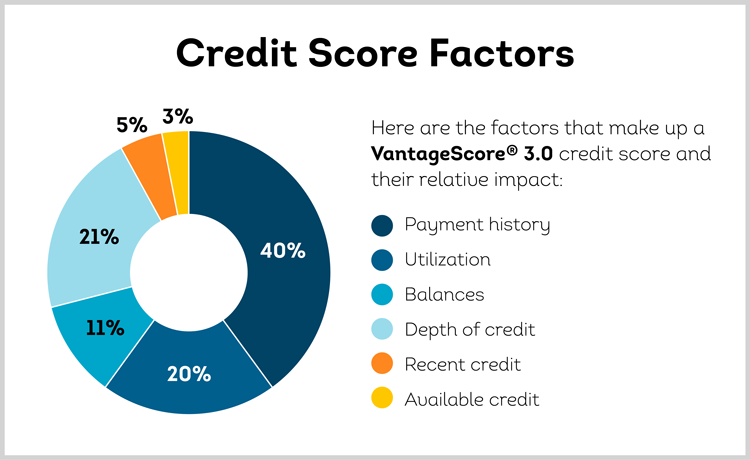
Hard inquiries can be a signal that you’re looking to take on new debt. So, hard inquiries on your credit report can have a negative impact on your score. However, hard inquiries, sometimes known as new credit or recent credit, are typically one of the least influential credit score factors. Still, it’s important to be mindful when applying for credit.
By how much a hard inquiry impacts your credit score depends on your credit history. The credit score impact of hard inquiries tends to lessen over time.
Hard inquiries differ from soft inquiries. Soft inquiries, which can appear on your credit report when a company receives limited information to make a credit offer or when you pull your credit report for personal review, do not impact your credit score.
How to minimize the credit score impact of hard inquiries
Even though recent credit applications are one of the least influential credit score factors, it’s still important to be mindful of hard inquiries as you maintain or rebuild your credit health. Here are some things to keep in mind as you apply for credit:
1. Rate shop for loans
If you’re shopping for a mortgage or auto loan, consider rate shopping (applying for multiple loans) in a short period of time. By doing so, credit scoring models will bunch multiple inquiries of the same type into a single inquiry, which can limit the negative impact to your credit score. The applicable time period depends on the scoring model used.
2. Apply only when necessary
Even though new credit isn’t one of the most influential credit score factors, only applying for credit when you need it can help limit the impact to your credit score. Too many applications in a short time can still impact your credit and may make it more difficult to get approved for credit with the best possible terms.
3. Ask your lender before applying
Not all applications may result in a hard inquiry. Some loans, like Buy Now, Pay Later loans, generally appear as a soft inquiry on your credit report. But it’s important to be sure before applying. Be sure to fully read the terms and conditions of your loan application or contact the lender directly if you have questions.
Hard inquiries and your credit health
You don’t need to avoid credit completely just because an application may result in a hard inquiry. Understanding how hard inquiries work can help you make more informed credit decisions.
Make sure to regularly monitor your credit report so you can be aware of important changes. Hard inquiries you don’t recognize may be an indication of fraud. Sometimes, if a fraudster gets your personal information, they may try to open credit accounts in your name. You can get your credit report for free each week from each of the three nationwide credit reporting agencies at annualcreditreport.com.
You can see additional credit report options from TransUnion, which includes daily refreshes of your TransUnion credit report and credit score and alert notifications of credit report changes, on TransUnion’s free credit report page.